
After an accident or minor collision, many drivers face a dilemma — the car is still driveable, but there’s visible bodywork damage. Is it legal to keep driving it? Could you get pulled over or fined? And what are the risks of leaving the damage unrepaired?
At Linwood Coachworks in Paisley, we get asked these questions regularly. Here’s everything you need to know about driving with bodywork damage in Scotland.
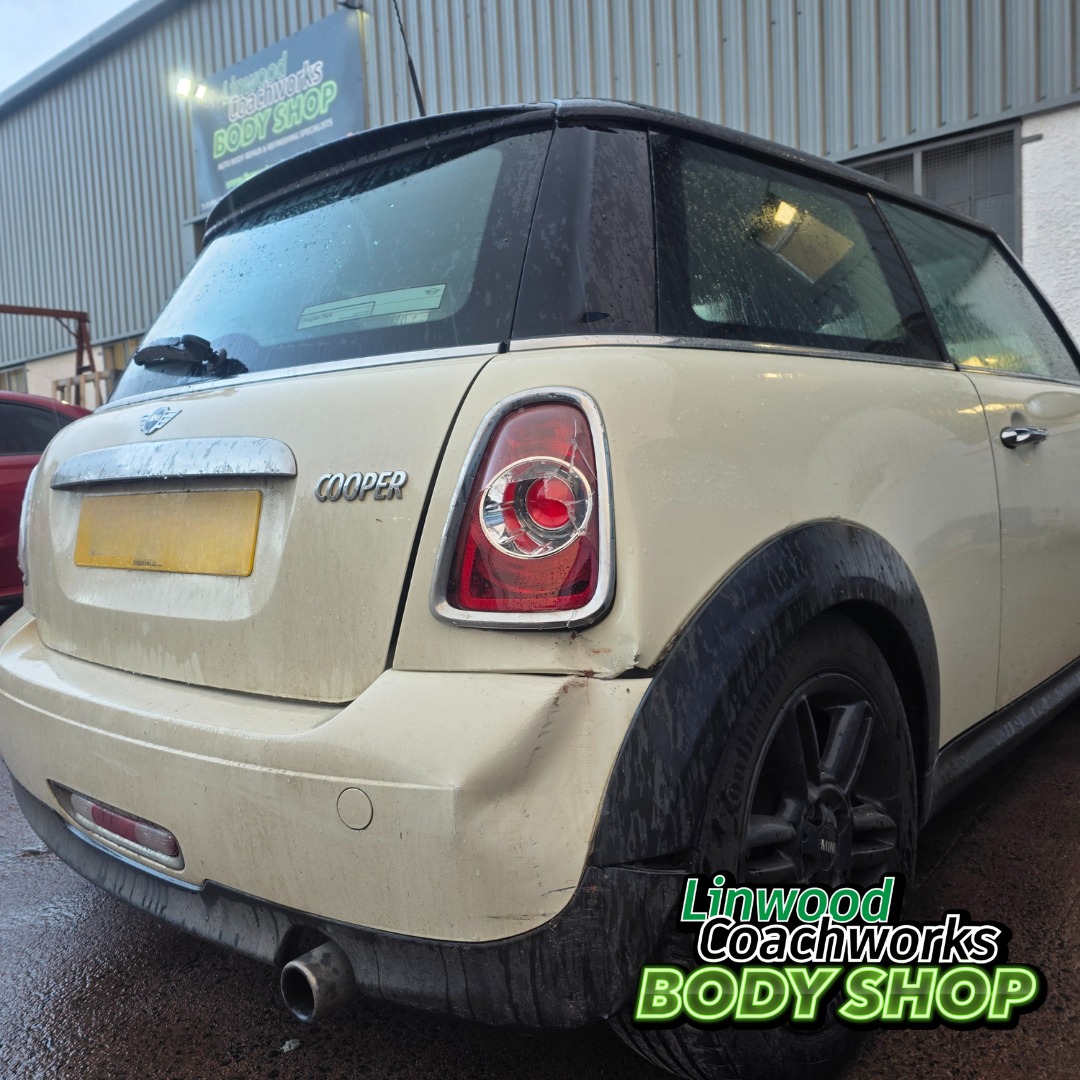
Is It Illegal to Drive with Bodywork Damage in Scotland?
The short answer is — it depends on the type and extent of the damage. There is no specific law in Scotland that says a car with a dent or scratch cannot be driven. However, several pieces of legislation can apply depending on the nature of the damage:
The Road Traffic Act 1988
Under the Road Traffic Act, it is an offence to drive a vehicle that is in a dangerous condition. If bodywork damage has compromised the structural integrity of the vehicle — for example, a crumple zone that has been pushed inward, a door that won’t close properly, or a bumper that is hanging loose and could fall off — then driving that vehicle could be considered an offence.
The Road Vehicles (Construction and Use) Regulations 1986
These regulations require that all parts of a vehicle are securely attached and in good working order. Loose or hanging bodywork panels, a damaged bumper that could detach, or sharp exposed metal edges that could injure pedestrians or other road users could all constitute an offence under these regulations.
Sharp Edges and Protruding Damage
If bodywork damage has created sharp metal edges or protruding parts that could injure pedestrians, cyclists or other road users, police can order the vehicle off the road until repairs are made. This is most commonly seen with front or rear end damage where the bumper or panels are cracked and jagged.
What About Lights and Mirrors?
If the accident has damaged your lights or mirrors, the legal position is much clearer:
- Headlights and rear lights — it is illegal to drive without fully functioning front and rear lights. A cracked light lens that allows water ingress, or a light that is no longer functioning, must be repaired before the vehicle is driven
- Indicators — non-functioning indicators are an MOT failure and illegal on public roads
- Mirrors — UK law requires a minimum of two mirrors. If a door mirror has been knocked off, you must have two other mirrors in working order before driving
- Windscreen — a cracked windscreen that impairs the driver’s vision is illegal and an MOT failure
Will Driving with Damage Affect My Insurance?
Yes — and this is often overlooked. Most insurance policies require you to report accidents promptly and to maintain your vehicle in roadworthy condition. Driving with significant unrepaired damage could potentially:
- Invalidate your insurance if you are involved in a subsequent accident
- Be used to reduce or refuse a future claim if the pre-existing damage is relevant
- Result in your policy being cancelled if your insurer discovers the vehicle is not being maintained
It’s always worth notifying your insurer of any accident damage even if you don’t intend to make a claim — and getting the damage repaired promptly protects both your legal position and your insurance cover.
What Are the Risks of Leaving Bodywork Damage Unrepaired?
Beyond the legal considerations, there are practical risks to leaving bodywork damage unrepaired:
- Rust — any damage that has broken through the paint and exposed bare metal will begin to rust, often more quickly than you’d expect in Scotland’s wet climate. Rust spreads and can cause significant structural damage if left untreated
- Water ingress — damaged seals, panels or boot lids can allow water into the vehicle interior, causing damage to electrics, carpets and upholstery
- Structural weakness — modern vehicles are designed with crumple zones and safety structures that work together. Damaged structural components that aren’t repaired may not protect occupants properly in a subsequent accident
- Resale value — unrepaired bodywork damage significantly reduces a vehicle’s resale value, often by more than the cost of the repair itself
- MOT failure — significant bodywork damage, sharp edges, or damaged lights will result in an MOT failure
When Should You Get Bodywork Damage Repaired?
Our advice is straightforward — get any accident damage assessed as soon as possible. Even if the damage looks minor, a free assessment from a qualified bodyshop will confirm:
- Whether the vehicle is safe and legal to drive
- Whether there is any hidden structural damage not visible from the outside
- The most cost-effective repair option
- Whether it’s worth claiming on insurance or paying privately
At Linwood Coachworks, assessments are completely free and come with no obligation. You can bring your vehicle in or send us photos for a preliminary assessment.
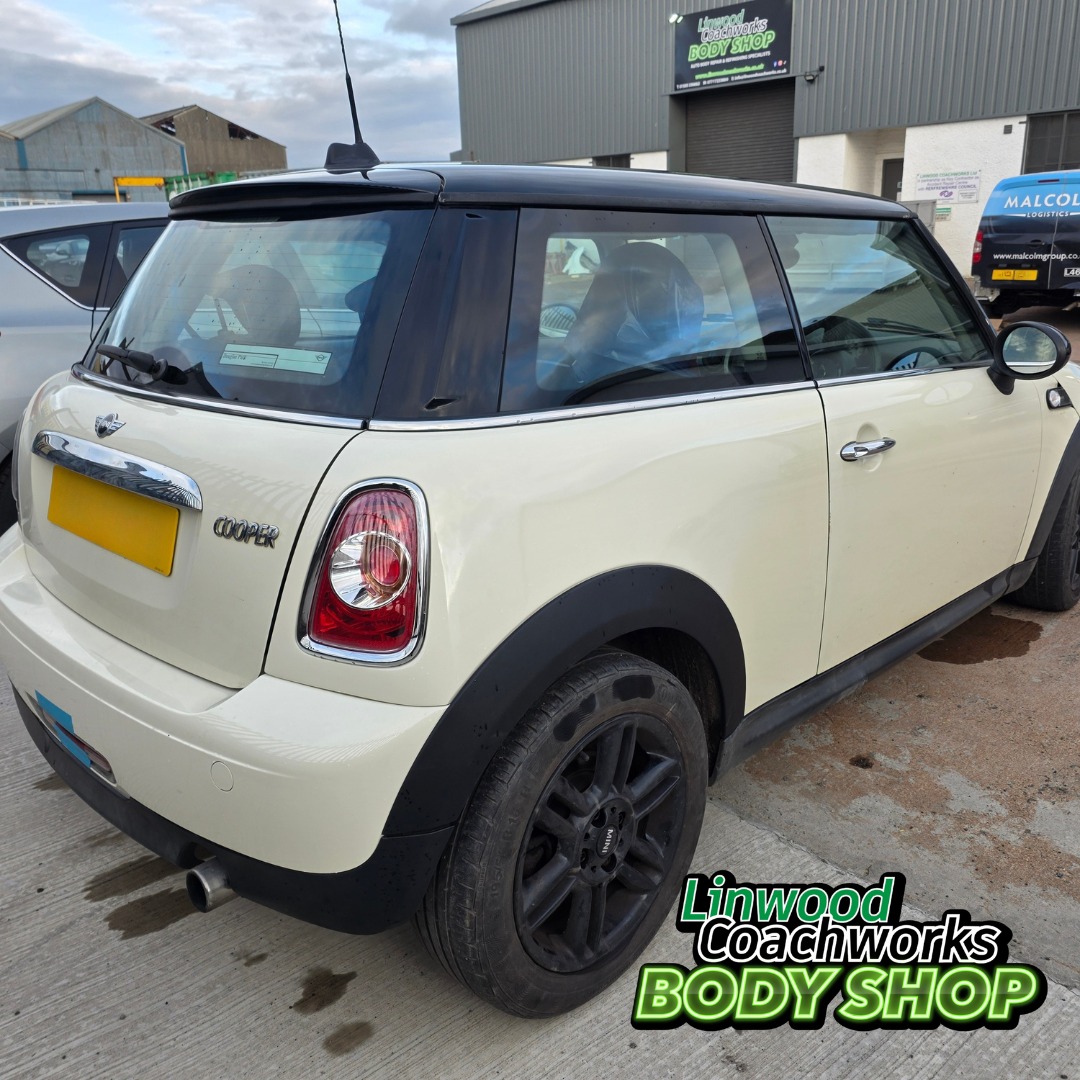
Linwood Coachworks — Bodywork Repairs in Paisley & Renfrewshire
Whether you have minor cosmetic damage or significant accident damage, Linwood Coachworks will assess your vehicle honestly and recommend the right course of action. We’re BS 10125 certified, have over 40 years of experience, and handle both private and insurance repairs across Paisley, Linwood, Renfrewshire and Greater Glasgow.
- Free, no-obligation assessments — in person or by photo
- Honest advice on whether repair or replacement is needed
- BS 10125 certified repairs
- Insurance and private work both handled
- Serving Paisley, Linwood, Renfrewshire and Greater Glasgow
Find out more about our accident repair service, our dent and scratch repair service, or read our full insurance claim guide.
Call us on 07717 233864, email info@linwoodcoachworks.co.uk, or use our contact page to book a free assessment today.